
Monthly Archives: March 2026
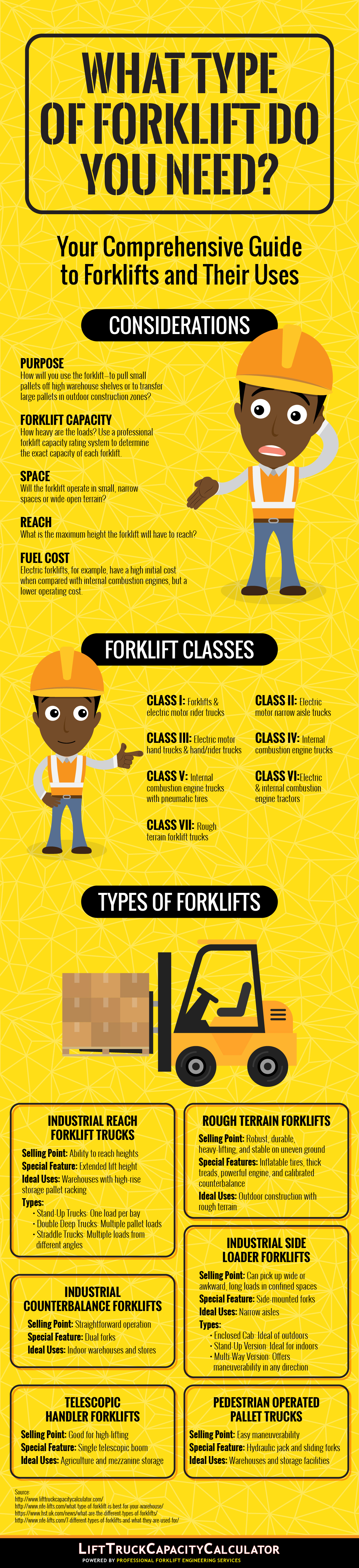
When you are in need of machinery to move products and other materials around your business or job site, using a forklift is one of the easiest and most efficient options. However, with the variety of forklifts available for the job, it can be difficult to decide which will be best for your situation. In order to solve this problem, it is important to consider a few factors.
Start by assessing the purpose of the forklift. Do you need it to pull pallets from a shelf or move large pallets around a construction site? What load capacity is needed to get the job done correctly and safely? Don’t forget to note the size of the space in which the forklift will operate. Choosing one too large will negate any benefits you hope to receive.
You also want to ensure that you have certified forklift operators who can easily operate the lift to help you cut down on time and expenses along the way. Research the type of forklifts available and assess your individual needs before buying or leasing for your company.
The data plate on a forklift is broken down into different sections, which each stand for a different characteristic and measurement. Some of these include:
Mast and Back Tilt Refers to the type of mast and the maximum degree of back tilt allowable.
Tire Size Ensures proper replacement tires are used to maintain levels of safety.
Load Center Gives a capacity based on how far forward from the mast the balancing point of the load is.
If any modifications are made to a forklift, or if it has an attachment, the forklift capacity plate must be updated to reflect the new capacity. Similarly, if a data plate goes missing or is illegible, you are required to replace it. To do so, contact Professional Forklift Engineering Services at support@lifttruckcapacitycalculator.com.
